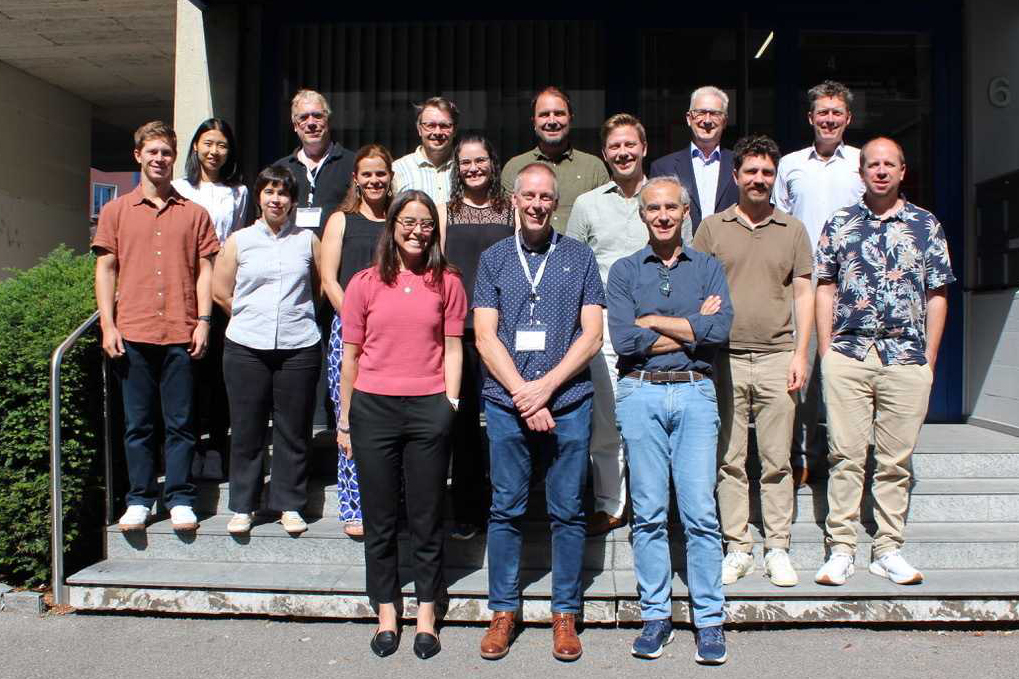
This week, we're gathering in Colorado with the Aspen Global Change Institute (AGCI) for the Warming-Induced Emissions Model Intercomparison Project (WIEMIP) workshop along with dozens of scientists from around the world working together to shed some light on a major climate blind spot: warming-induced emissions.
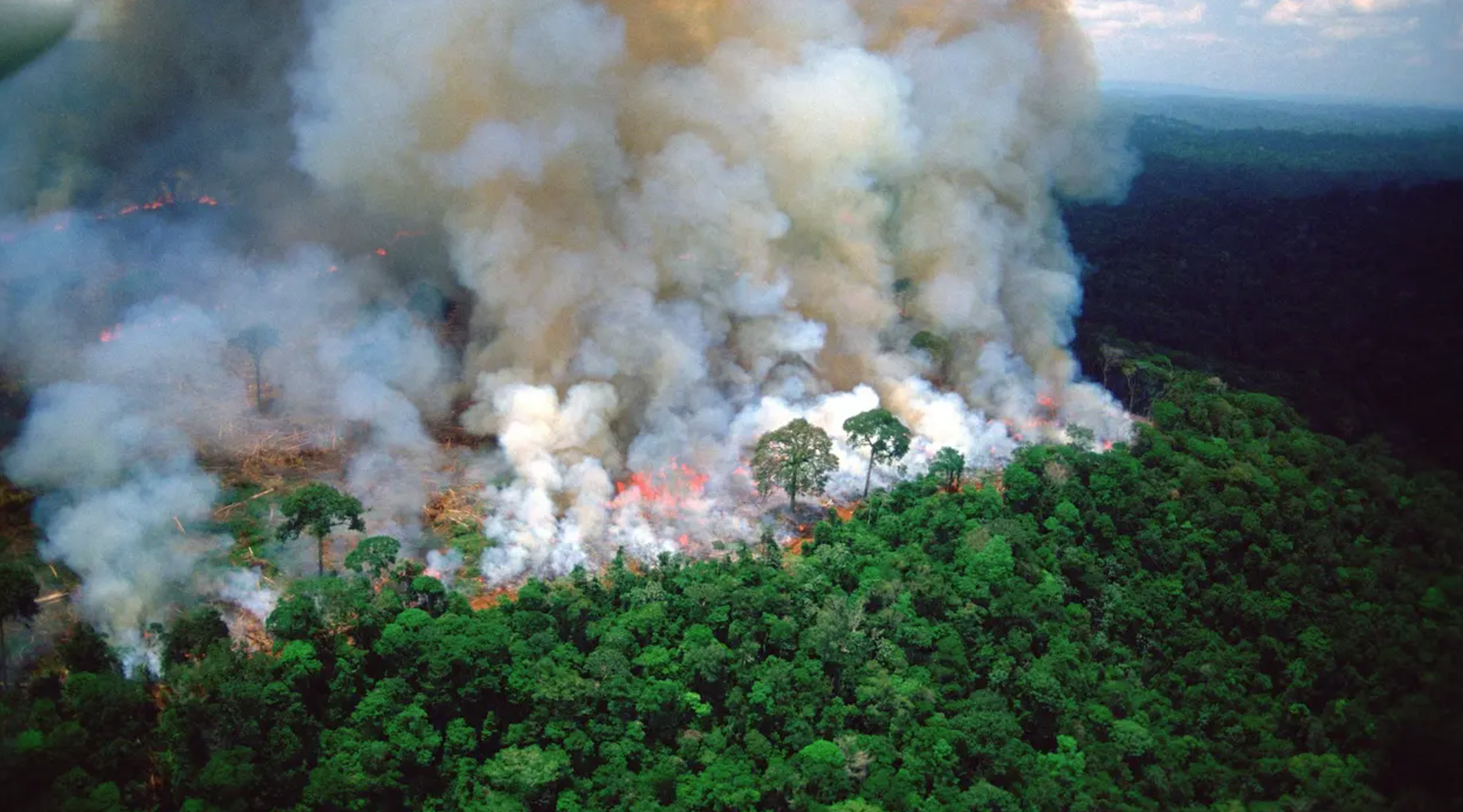
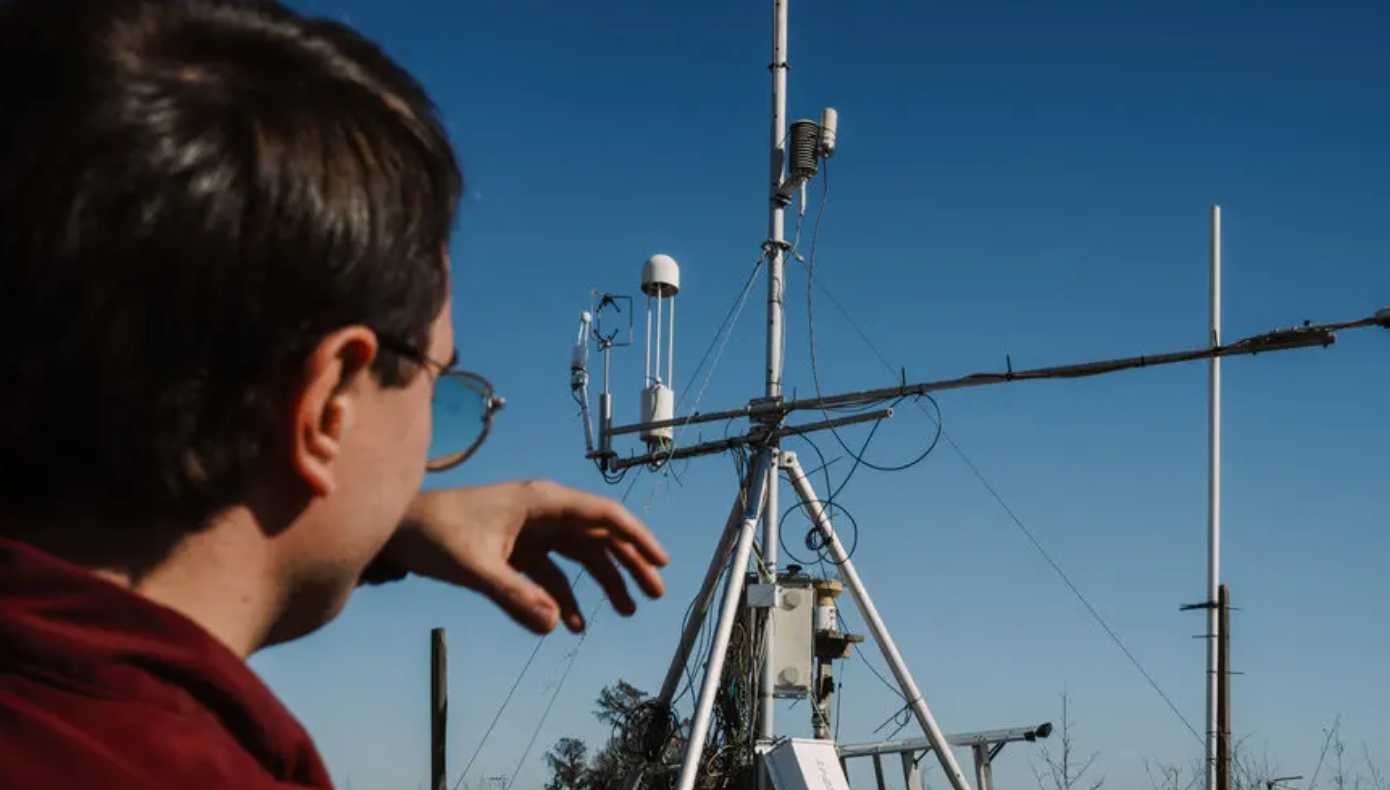
As the planet warms, changing natural systems, like permafrost and wetlands—and changing natural processes, like larger wildfires—are releasing more greenhouse gases. Despite their significance, these emissions remain poorly quantified and are generally absent from key climate models, carbon budgets, and global policy frameworks.
With generous support from philanthropic partner Alta Futures, and following a gathering at the International Space Science Institute in July 2025, Spark announced the launch of WIEMIP in the fall of 2025 with the goal of fast-tracking the development of estimates of warming-induced emissions under climate overshoot scenarios for consideration for IPCC’s ongoing Assessment Report (AR7). WIEMIP has developed rapidly since then into a coordinated, global effort involving more than 20 modeling teams from around the globe, and registered as one of the Coupled Model Intercomparison Project’s (CMIP7) MIPs. The importance of this effort was recently featured in this piece in Yale Environment 360.
WIEMIP is operating on an accelerated and ambitious timeline to ensure results are available in time for consideration for AR7, which will be a critical tool to shape international climate policy for the coming decade as emissions track climate overshoot. Doing so would be a major step forward. Among the 11 Earth system models that informed the most recent IPCC assessment (AR6), none captured warming-induced emissions from all three major sources (wildfire, wetlands, and permafrost).
If warming-induced emissions were to remain poorly captured in key climate models, policymakers may base decisions on carbon budgets and temperature projections that don't fully account for a significant source of additional warming. This week’s workshop is an important step in the sprint to AR7. AGCI’s long history working with the MIP community has been critical to designing an impactful agenda and ensuring successful outcomes for this workshop. The WIEMIP workshop will feature modeling group presentations and structured data report-outs, cross-model analysis and comparison sessions using a shared JupyterHub, and dedicated time for synthesis, protocol refinement, and collaborative writing. Expected outcomes include alignment on data outputs, resolution of key scientific and technical challenges, progress toward coordinated publications in a soon-to-be-announced journal Special Collection, and clear next steps to keep WIEMIP on track for consideration on the AR7 timeline.
We're grateful to the WIEMIP community for the time and expertise they've invested in informing and designing the protocols. For more detailed information about the Steering Committee, working groups and leads, and all participating models, see here.
WIEMIP is one part of Spark's broader Warming-Induced Emissions Program, which is working to strengthen scientific understanding of warming-induced emissions, integrate them into key climate policy frameworks, and explore mitigation opportunities.
To stay up to date on the latest research, events, and information on warming-induced emissions, join Spark’s WIE community newsletter.
This week, we're gathering in Colorado with the Aspen Global Change Institute (AGCI) for the Warming-Induced Emissions Model Intercomparison Project (WIEMIP) workshop along with dozens of scientists from around the world working together to shed some light on a major climate blind spot: warming-induced emissions.
As the planet warms, changing natural systems, like permafrost and wetlands—and changing natural processes, like larger wildfires—are releasing more greenhouse gases. Despite their significance, these emissions remain poorly quantified and are generally absent from key climate models, carbon budgets, and global policy frameworks.
With generous support from philanthropic partner Alta Futures, and following a gathering at the International Space Science Institute in July 2025, Spark announced the launch of WIEMIP in the fall of 2025 with the goal of fast-tracking the development of estimates of warming-induced emissions under climate overshoot scenarios for consideration for IPCC’s ongoing Assessment Report (AR7). WIEMIP has developed rapidly since then into a coordinated, global effort involving more than 20 modeling teams from around the globe, and registered as one of the Coupled Model Intercomparison Project’s (CMIP7) MIPs. The importance of this effort was recently featured in this piece in Yale Environment 360.
WIEMIP is operating on an accelerated and ambitious timeline to ensure results are available in time for consideration for AR7, which will be a critical tool to shape international climate policy for the coming decade as emissions track climate overshoot. Doing so would be a major step forward. Among the 11 Earth system models that informed the most recent IPCC assessment (AR6), none captured warming-induced emissions from all three major sources (wildfire, wetlands, and permafrost).
If warming-induced emissions were to remain poorly captured in key climate models, policymakers may base decisions on carbon budgets and temperature projections that don't fully account for a significant source of additional warming. This week’s workshop is an important step in the sprint to AR7. AGCI’s long history working with the MIP community has been critical to designing an impactful agenda and ensuring successful outcomes for this workshop. The WIEMIP workshop will feature modeling group presentations and structured data report-outs, cross-model analysis and comparison sessions using a shared JupyterHub, and dedicated time for synthesis, protocol refinement, and collaborative writing. Expected outcomes include alignment on data outputs, resolution of key scientific and technical challenges, progress toward coordinated publications in a soon-to-be-announced journal Special Collection, and clear next steps to keep WIEMIP on track for consideration on the AR7 timeline.
We're grateful to the WIEMIP community for the time and expertise they've invested in informing and designing the protocols. For more detailed information about the Steering Committee, working groups and leads, and all participating models, see here.
WIEMIP is one part of Spark's broader Warming-Induced Emissions Program, which is working to strengthen scientific understanding of warming-induced emissions, integrate them into key climate policy frameworks, and explore mitigation opportunities.
To stay up to date on the latest research, events, and information on warming-induced emissions, join Spark’s WIE community newsletter.
This week, we're gathering in Colorado with the Aspen Global Change Institute (AGCI) for the Warming-Induced Emissions Model Intercomparison Project (WIEMIP) workshop along with dozens of scientists from around the world working together to shed some light on a major climate blind spot: warming-induced emissions.
As the planet warms, changing natural systems, like permafrost and wetlands—and changing natural processes, like larger wildfires—are releasing more greenhouse gases. Despite their significance, these emissions remain poorly quantified and are generally absent from key climate models, carbon budgets, and global policy frameworks.
With generous support from philanthropic partner Alta Futures, and following a gathering at the International Space Science Institute in July 2025, Spark announced the launch of WIEMIP in the fall of 2025 with the goal of fast-tracking the development of estimates of warming-induced emissions under climate overshoot scenarios for consideration for IPCC’s ongoing Assessment Report (AR7). WIEMIP has developed rapidly since then into a coordinated, global effort involving more than 20 modeling teams from around the globe, and registered as one of the Coupled Model Intercomparison Project’s (CMIP7) MIPs. The importance of this effort was recently featured in this piece in Yale Environment 360.
WIEMIP is operating on an accelerated and ambitious timeline to ensure results are available in time for consideration for AR7, which will be a critical tool to shape international climate policy for the coming decade as emissions track climate overshoot. Doing so would be a major step forward. Among the 11 Earth system models that informed the most recent IPCC assessment (AR6), none captured warming-induced emissions from all three major sources (wildfire, wetlands, and permafrost).
If warming-induced emissions were to remain poorly captured in key climate models, policymakers may base decisions on carbon budgets and temperature projections that don't fully account for a significant source of additional warming. This week’s workshop is an important step in the sprint to AR7. AGCI’s long history working with the MIP community has been critical to designing an impactful agenda and ensuring successful outcomes for this workshop. The WIEMIP workshop will feature modeling group presentations and structured data report-outs, cross-model analysis and comparison sessions using a shared JupyterHub, and dedicated time for synthesis, protocol refinement, and collaborative writing. Expected outcomes include alignment on data outputs, resolution of key scientific and technical challenges, progress toward coordinated publications in a soon-to-be-announced journal Special Collection, and clear next steps to keep WIEMIP on track for consideration on the AR7 timeline.
We're grateful to the WIEMIP community for the time and expertise they've invested in informing and designing the protocols. For more detailed information about the Steering Committee, working groups and leads, and all participating models, see here.
WIEMIP is one part of Spark's broader Warming-Induced Emissions Program, which is working to strengthen scientific understanding of warming-induced emissions, integrate them into key climate policy frameworks, and explore mitigation opportunities.
To stay up to date on the latest research, events, and information on warming-induced emissions, join Spark’s WIE community newsletter.
Stay in touch
Sign up to our Spark newsletter and stay updated!
Menu
Stay in touch
Sign up to our Spark newsletter and stay updated!





.jpg)